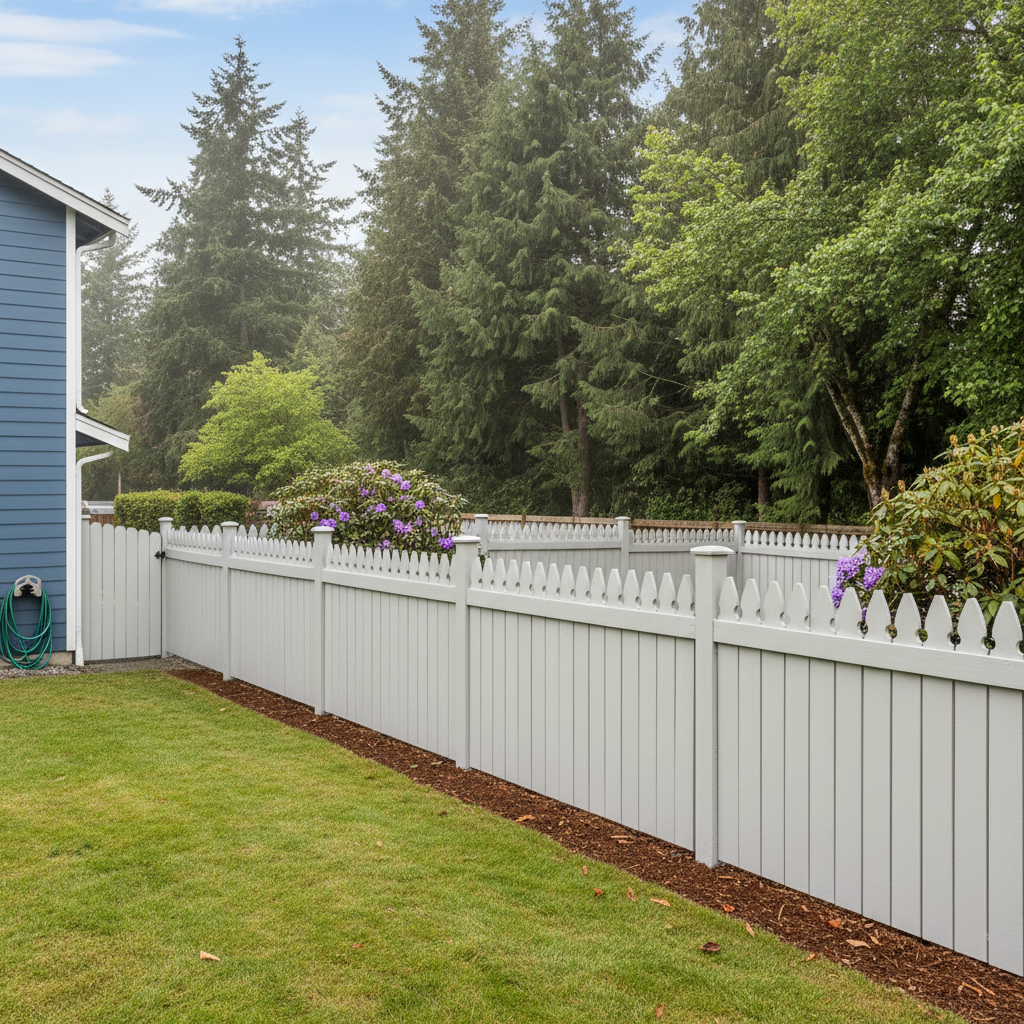
You just had your fence painted, or maybe you're thinking about it. Either way, you want that fresh look to last. Around here in Burien, with all our rain and dampness, a fence really takes a beating. It's not just about looking good, you know; it's about protecting your wood and making sure your investment holds up. I've seen too many fences go south way too soon because folks didn't know how to properly care for them. Let's talk about what you need to do.
Make Your Fence Last Longer in Our Wet Climate
The biggest enemy of a painted fence in Western Washington? Moisture. It's not just the rain, it's the constant dampness, the moss, the mildew. When we paint a fence, we're not just slapping on color; we're putting on a protective barrier. To make that barrier last, you've got to give it a little help.
- Start with a good paint job: This might sound obvious, but it's the absolute foundation. If the surface wasn't prepped right, or if cheap paint was used, you're fighting an uphill battle from day one. Good paint, put on correctly, is your first line of defense. That's why we at Classic Painting Solutions focus so much on proper prep work and quality materials.
- Keep plants away: Branches, bushes, and even tall grass rubbing against your fence can wear down the paint. They also trap moisture right against the wood, which is a recipe for rot and mildew. Trim back anything that's touching or shading the fence too much. Give it some breathing room, okay?
- Improve drainage: If you've got spots where water pools against the fence line, that's a problem. Think about adding gravel or fixing the grading to direct water away. This is especially true for fences on the lower side of a sloped yard, something pretty common in some of the older Burien neighborhoods.
- Clean it regularly: A gentle cleaning once a year can do wonders. Don't blast it with a super-high-pressure washer, though — you'll just strip the paint. A soft wash with a garden hose and a mild detergent (like dish soap) can remove dirt, pollen, and early signs of mildew.
Regular Maintenance: Your Annual Check-Up
Think of your fence like your car; it needs a regular check-up. Ideally, you want to do this once a year, maybe in the late spring or early fall when the weather's a bit drier. Walk the entire length of your fence, inside and out. What are you looking for?
- Moss and mildew: These green or black growths just love our climate. If you see them, gently scrub them off with a soft brush and a mild bleach solution (1 part bleach to 3 parts water) or a commercial mold/mildew cleaner. Rinse thoroughly. Don't let it sit there and eat away at your paint and wood.
- Cracks and peeling paint: Small cracks or chips? You can touch those up. Clean the area, lightly sand any loose edges, and apply a matching exterior paint. Catching these early stops moisture from getting under the paint and causing bigger peeling issues.
- Loose boards or posts: While not directly paint-related, a wobbly fence means stress on the wood and potential for more damage. Fix any structural issues promptly.
- Rust on hardware: If you have metal hinges or latches, check for rust. Rust can bleed onto the paint, leaving ugly stains. Clean it off and consider putting on a rust-inhibiting primer before repainting the hardware.
Warning Signs: When Things Are Getting Serious
Sometimes, what starts as a small issue can become a big headache if you ignore it. Here are some red flags that tell you your fence needs more than just a quick clean:
- Widespread peeling or blistering: If large sections of paint are peeling, flaking, or bubbling, that means moisture has gotten underneath. This usually points to a deeper issue, either with the original application or prolonged exposure to dampness.
- Soft or rotting wood: Push on the wood with your thumb or a screwdriver. If it feels soft, spongy, or crumbles, you've got rot. This needs to be addressed immediately, as rot spreads. You might even need to replace sections of the fence.
- Persistent mold/mildew: If you're cleaning off heavy moss and mildew every few months, and it just keeps coming back aggressively, your paint might be losing its protective qualities, or the area is simply too damp.
- Fading or chalking: While some fading is normal over time, excessive chalking (when a powdery residue comes off when you rub it) means the paint is breaking down and losing its integrity. It's not protecting the wood anymore.
When to Call a Professional
You can handle a lot of the basic maintenance yourself, but there are times when it's just smarter and more cost-effective to bring in the pros. Don't hesitate to call us at Classic Painting Solutions if:
- You see extensive damage: If you've got widespread peeling, significant rot, or large sections of your fence that look distressed, it's probably time for a full repaint or even some repairs. Trying to patch a whole fence often looks worse than doing nothing, frankly.
- You're unsure about the cause: If you can't figure out why your paint is failing, or if you suspect structural issues, a professional can diagnose the problem correctly.
- You don't have the time or tools: Fence painting, especially a full repaint, is a big job. It requires proper equipment, prep, and application techniques. If you're pressed for time or just don't want to deal with it, that's what we're here for.
- You want it done right, to last: A professional painting company knows how to properly prepare the surface, choose the right paint for our climate, and apply it in a way that maximizes its lifespan. We've got the experience to make sure your fence stands up to Burien's weather for years to come.
Taking care of your painted fence isn't rocket science, but it does require a little attention. A small effort now can save you a lot of money and hassle down the road. Keep an eye on it, give it a little love, and your fence will keep looking great for a long time.