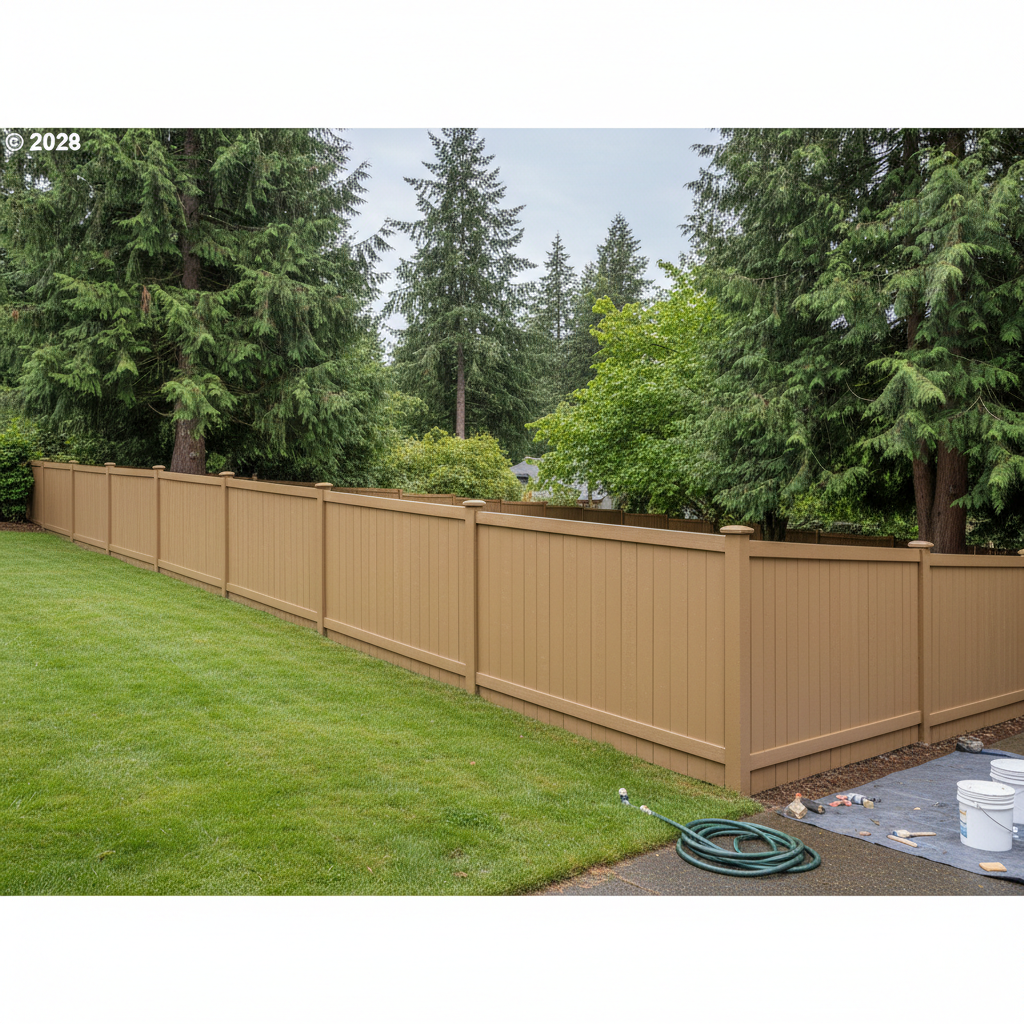
You just invested in a fresh coat of paint for your fence, maybe even had Classic Painting Solutions do the job. It looks fantastic, right? But here in Burien, with our specific climate – all that rain, the moss, the occasional strong wind off Puget Sound – a fence paint job isn't a 'set it and forget it' kind of deal. You've got to give it a little love if you want it to last. I've seen too many good paint jobs go south because folks didn't know what to look for or how to care for them. Let's talk about how to keep your fence looking sharp.
Making Your Fence Paint Last Longer
The biggest thing that helps your fence paint last starts even before we pick up a brush: good prep. If your fence wasn't cleaned, scraped, sanded, and primed correctly, even the best paint won't stick. Assuming that part was done right, the next big thing is using quality materials. Cheap paint just doesn't hold up to our Burien weather, period. You want a good exterior-grade acrylic latex paint, ideally with mildewcides already mixed in. That's what we use, and believe me, it makes a huge difference.
Beyond that, think about the type of fence you have. A cedar fence, properly prepped and painted, will outlast a pressure-treated pine fence that's been neglected, no question. Good drainage around the fence line helps too. If water pools at the base, it's going to wick up into the wood and cause paint failure faster than you can say 'mildew'. Try to keep soil, mulch, or plants from directly touching the fence pickets.
Regular Upkeep: What You Should Do
This isn't rocket science, but it does take a little consistency. Think of it like washing your car. You wouldn't let it go years without a wash, right?
- Clean it Yearly: Once a year, usually in late spring or early summer after the worst of the rain has passed, give your fence a good cleaning. A gentle wash with a hose and a soft brush, maybe some mild detergent if it's really grimy, is usually enough. For tougher spots, an exterior house wash solution designed for mildew can work wonders. Just make sure to rinse thoroughly.
- Watch for Moss & Algae: This is a big one in Burien. Our damp climate is a breeding ground for green stuff. If you see moss or algae starting to grow, gently scrub it off. Don't let it get established, because it holds moisture against the paint and wood, leading to rot and peeling.
- Trim Back Vegetation: Any bushes, trees, or vines growing directly on or against your fence are bad news. They trap moisture, block sunlight (which helps dry the fence), and can scratch or rub off paint. Keep them trimmed back a foot or two from the fence line.
- Check for Damage: After any big storms, or during your annual cleaning, walk the fence line. Look for loose pickets, cracked wood, or areas where the paint might have been scraped.
Signs of Trouble to Look For
Your fence will tell you when it needs attention. You just need to know how to read the signs.
- Peeling or Flaking Paint: This is the most obvious one. If paint is lifting off the surface, it means the bond has failed. It could be due to moisture, poor adhesion during the initial job, or just old age.
- Fading or Chalking: If the color looks dull or you get a powdery residue on your hand when you rub the fence, the paint is breaking down from UV exposure. It's not as critical as peeling, but it means the protective qualities are diminishing.
- Mildew and Mold: Black, green, or even pinkish spots on the paint are usually mildew or mold. It's unsightly and, if left unchecked, can degrade the paint and eventually the wood underneath.
- Wood Rot: Soft spots in the wood, especially near the ground or where water collects, are a serious problem. Paint won't stick to rotting wood, and it compromises the fence's structural integrity.
- Rust Stains: If you have metal fasteners (nails, screws, hinges) that weren't galvanized or properly coated, you might see rust bleeding through the paint.
When to Call a Pro
Look, I'm a big believer in homeowners doing what they can. But there are times when it's just smarter, and safer, to call in someone like us at Classic Painting Solutions. If you're seeing widespread peeling or cracking over a large section of the fence, that's usually beyond a simple spot repair. You might need a full reprep and repaint. If you've got significant wood rot, that's a carpentry job before it's a paint job. Don't try to paint over rot; it's a waste of time and money.
Also, if you're dealing with a very tall fence, or one that's on a steep slope, safety becomes a concern. We've got the right equipment and experience to do it safely and efficiently. If you're unsure about the extent of the damage, or what kind of prep work is truly needed, just give us a call. We're happy to come out, take a look, and give you an honest assessment. Sometimes a simple cleaning and touch-up is all you need, and sometimes it's time for a fresh start. Either way, we'll tell you straight.